
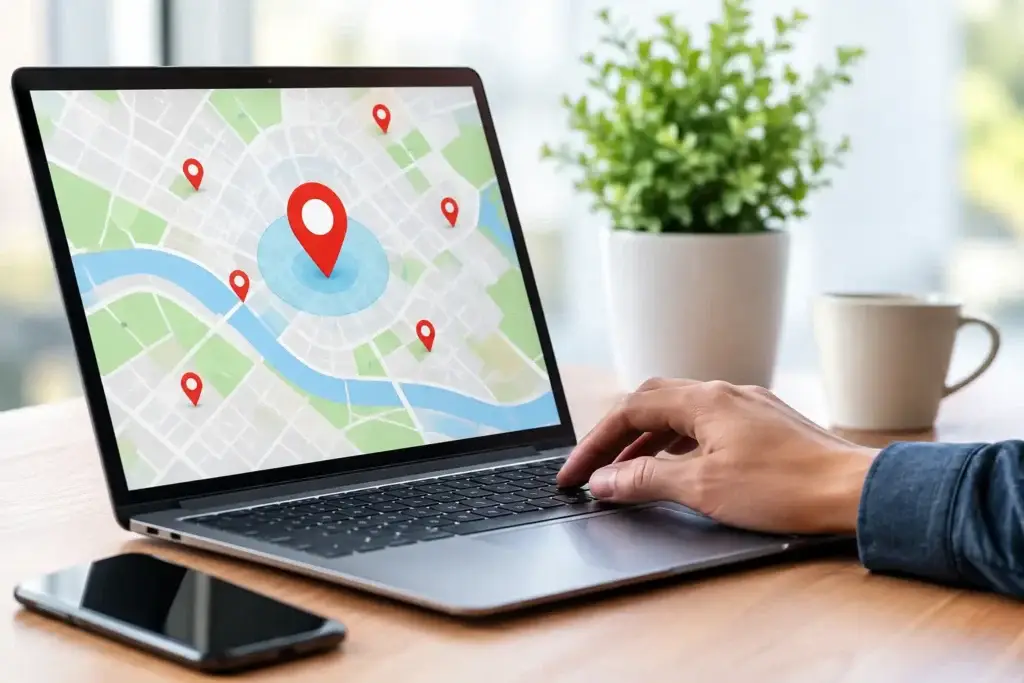
A homeowner searching “emergency plumber near me” or a business owner looking for an Omaha web design partner is usually ready to make a decision. If your company does not appear prominently in those results, a competitor gets the call, form submission, or store visit. Learning how to improve local search rankings is less about chasing one algorithm trick and more about making it easy for search engines and real customers to understand who you serve, where you operate, and why they should choose you.
Local SEO is a credibility-building channel. It connects your business with people who are actively searching for your products or services in your area. The strongest results come from a coordinated approach that improves your Google Business Profile, website, reviews, and local reputation at the same time.
Start With a Complete Google Business Profile
For many local searches, your Google Business Profile is the first impression prospects see. It can appear in Google Maps and the local map results before a user visits any website. An incomplete or neglected profile can limit visibility even when your business offers excellent service.
Claim and verify the profile if you have not already. Then confirm that your business name, address, phone number, website, hours, and service categories are accurate. Use your real-world business name exactly as customers know it. Adding extra keywords to the business name may seem tempting, but it can create trust issues and violate platform guidelines.
Choose the most precise primary category available. A law firm, for example, should not rely only on a broad category if a more relevant practice-area option fits. Your secondary categories should support actual services rather than trying to cover every possible search. Relevance matters more than volume.
Add a clear business description that explains what you do, whom you serve, and the communities you serve. Include original photos of your team, storefront, completed work, products, or process. Stock photography can support branding on a website, but authentic visuals build greater confidence on a local profile.
Keep hours current, especially around holidays. If you offer services at customer locations rather than at a public office, set your service area correctly. This is a small operational detail with a major customer experience impact.
Build a Website That Supports Local Visibility
Your Google Business Profile can help you get discovered, but your website must give visitors a reason to contact you. A slow, outdated, or confusing site can turn local visibility into wasted opportunity.
Create a strong location-focused page for your primary market. It should explain the services you provide in that area, the problems you solve, and the next step a visitor should take. For a business serving Omaha, that might mean describing specific services for Omaha-area customers, sharing local project examples, and making it easy to request a quote or consultation.
Avoid creating near-identical pages for every nearby suburb just to target more place names. Thin location pages rarely help users and can dilute your site’s value. Instead, develop pages only where you can provide meaningful, specific information, such as unique services, service areas, case examples, or local expertise.
Your contact information should be easy to find and consistent across the website. Include your business name, address when applicable, and phone number in the footer or contact page. For service-area businesses that do not display a public address, make service coverage clear without publishing information that should remain private.
Mobile experience is nonnegotiable. Local searches frequently happen on phones, often while someone is comparing options quickly. Use readable text, tap-friendly buttons, fast-loading pages, and direct calls to action. A visitor should not have to hunt for a phone number, contact form, or service details.
Create Useful Local Content, Not Empty Keyword Pages
Local content earns attention when it answers questions your customers actually ask. A roofing company might publish guidance on storm damage assessments in Nebraska. A professional firm might explain what clients should prepare before an initial consultation. A retailer could spotlight local events, seasonal buying needs, or product education.
The goal is not to repeat city names in every paragraph. The goal is to demonstrate relevance and expertise. Well-written service pages, helpful blog content, and local case studies can support rankings while helping potential customers make a confident decision.
How to Improve Local Search Rankings With Reviews
Reviews influence more than star ratings. They shape whether searchers trust your business enough to take action. A steady flow of honest, recent reviews shows that your company is active and delivering a customer experience worth discussing.
Build a simple review request process into your normal workflow. Ask after a successful job, completed purchase, positive appointment, or resolved service issue. The best time is when the experience is still fresh. A short personal request by email, text, or in person is usually more effective than a generic campaign sent months later.
Do not offer incentives in exchange for reviews, and do not pressure customers to leave only positive feedback. Authenticity is the asset. Searchers can recognize patterns that feel manufactured, and platforms may remove reviews that violate policy.
Respond to reviews consistently. Thank customers for positive feedback with a specific, human response. For critical reviews, stay calm, protect customer privacy, acknowledge the concern, and offer a practical path to resolution. A thoughtful response will not erase a negative experience, but it shows future customers that your business takes accountability seriously.
Strengthen Local Signals Beyond Google
Google evaluates information from across the web, not just from your own profile and website. Consistent business information helps reduce confusion about your company’s identity and location.
Review your listings on major business directories, industry associations, chambers of commerce, and relevant local organizations. Your name, address, phone number, and website should match your primary business information. Minor variations like “Suite” versus “Ste.” are not always disastrous, but widespread inconsistency makes ongoing marketing harder to manage.
Local relationships can also support visibility. Sponsoring a community event, participating in a local business organization, contributing expertise to a neighborhood initiative, or partnering with complementary businesses can create genuine brand awareness. If those activities lead to credible mentions of your business online, that is a meaningful bonus. The relationship should come first, not the link.
Focus on Relevance, Distance, and Prominence
Local rankings are often discussed as though they are fully controllable. They are not. Google generally weighs relevance, distance, and prominence, and distance is particularly important. A business may not appear first for every searcher across a large metro area simply because the searcher is closer to another qualified provider.
That does not mean local SEO is ineffective. It means expectations should be grounded in your market, category, competition, and service model. You can improve relevance through accurate categories, useful service information, and quality local content. You can build prominence through reviews, a strong website, credible citations, and sustained brand activity. You cannot change where a searcher is standing, so the strategy should prioritize the locations and services most likely to produce profitable leads.
For businesses with multiple locations, each location needs its own accurate profile and locally relevant landing page. Do not route every location to one generic contact page. Give customers and search engines clear information about each office, store, or service hub.
Measure Calls, Leads, and Revenue, Not Just Rankings
Rankings are useful, but they are not the finish line. A number-one position that produces unqualified calls is less valuable than a slightly lower position that consistently generates profitable work.
Track actions that indicate real business momentum: phone calls, direction requests, form submissions, appointment bookings, quote requests, and completed sales. Review which services and locations generate the strongest leads. Then use that information to improve your website messaging, paid campaigns, service priorities, and content plan.
Local performance also changes over time. Competitors collect new reviews, search behavior shifts, and your own business details evolve. A monthly review of your profile, website health, reviews, and conversion data helps you catch issues before they become expensive.
TLK Creative Enterprises approaches local visibility as part of a connected growth strategy, where search presence, conversion-focused web design, content, and measurable campaign performance work together. The right next move is not always another keyword page or a bigger ad budget. Sometimes it is fixing a profile category, clarifying a service page, or making it easier for a satisfied customer to leave a review.
Start with the customer’s search experience. When your business information is accurate, your website answers real questions, and your reputation reflects the quality of your work, local search becomes more than a ranking exercise. It becomes a reliable way to turn nearby demand into lasting customer relationships.